
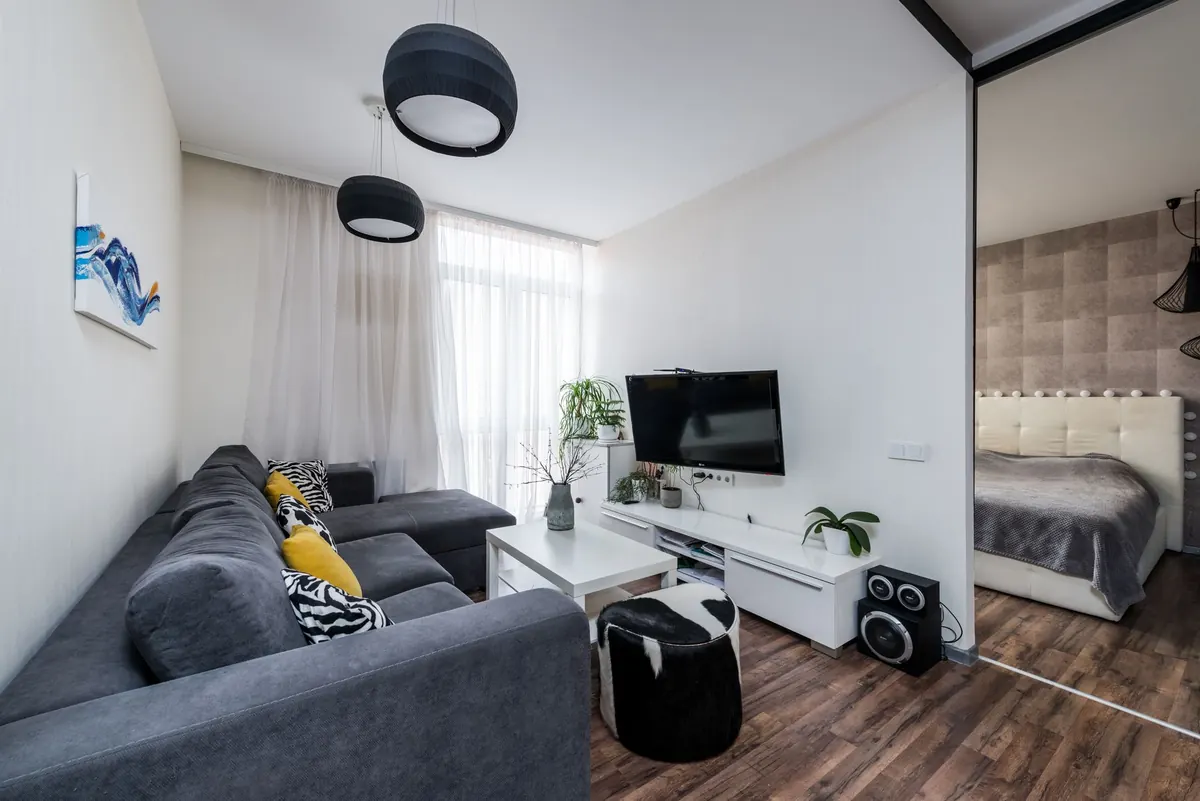


A Beginner's Guide to Choosing the Right Rug Size for Every Room
A rug is the quiet decision that holds a room together, and it succeeds or fails mostly on size. Too small, and it floats in the middle of the floor like a postage stamp, making good furniture look accidental. Too large, and it crowds the walls and blocks the walkways.
The rules for getting it right are simpler than most people expect, and they work the same way in a studio apartment and a farmhouse. Here's what to measure, what the numbers on the tag mean, and how each room changes the math.
Why Size Matters More Than Pattern
The most common decorating mistake is falling for a pattern first and finding out later that the rug is a 5x8 in a room that needed an 8x10. Pattern draws the eye, but size decides proportion: whether the seating reads as one deliberate group or as furniture that happens to sit near each other.
A rug's main job is to define a zone and connect whatever rests on it. Furniture that is half on and half off looks unmoored. A dining chair pulled off the edge wobbles. A runner that's too narrow turns a clean hallway into an obstacle course. So measure before you shop, not after the rug is unrolled.
There is also a practical side that has nothing to do with looks. A rug absorbs sound, which matters more than most people realize in apartments with hard floors and shared walls. It protects wood floors from chair legs and foot traffic. And in a large open-plan space, it is often the only tool that tells the eye where the living room ends and the dining room begins without adding a single wall.
Designers repeat one rule more than any other: when in doubt, go bigger. An oversized rug reads as luxurious. An undersized one reads as a mistake, and no amount of styling hides it.
The Rule of Thumb to Measure By
Before you look at a single product photo, clear the room and measure with painter's tape. Lay a rectangle on the floor in the exact footprint you're considering, then put the furniture back. This five-minute exercise prevents the most expensive mistake in decorating, because a rug that looks generous online often looks timid once it is on the floor.
Most rooms follow the same guideline: leave roughly 18 inches of bare floor between the rug's edge and the walls, and make sure at least the front legs of every major piece of furniture sit on the rug. In small rooms, you can bend the wall rule, but the furniture rule rarely bends without looking wrong.
Two other measurements are easy to forget:
- Door clearance. A thick pile rug under a door that swings inward can stop the door cold. Measure the gap under the door before you commit.
- Traffic paths. Keep the rug out of the main walking line when you can, or choose a low-pile style that won't curl at the corners.
Standard Rug Sizes at a Glance
Rug dimensions are listed in feet, width first: a 5x8 is 5 feet wide and 8 feet long. Sizes vary slightly between makers, and handmade rugs can be off by a few inches, so treat this as a starting point rather than an exact figure.
- 2 x 3 ft — bedside, kitchen sink, small entry
- 3 x 5 ft — powder room, narrow kitchen, beside a bed
- 4 x 6 ft — small office, reading nook, breakfast area
- 5 x 8 ft — small living room, twin or full bed, dining for four in a tight room
- 6 x 9 ft — queen bed, mid-size living room, dining for four to six
- 8 x 10 ft — the most useful size in the catalog, and the workhorse of living and dining rooms
- 9 x 12 ft — large living room, dining for eight, king bed with generous sides
- 10 x 14 ft and up — open-plan spaces, formal dining rooms, oversized primary bedrooms
- Runners — commonly 2 x 6, 2.5 x 8, and 2.5 x 10 ft for hallways and galley kitchens
Round and square rugs follow their own logic. A round rug works under a round dining table or as a focal point in a small seating area, but it should never be the room's main anchor unless the room itself is roughly square.
Room-by-Room: How the Math Changes
Living Room
In a large living room, an 8x10 or 9x12 should sit under all four legs of the sofa and chairs, with the coffee table fully on the rug. In a small living room, a 5x8 or 6x9 can work if at least the front legs of every seat rest on it. The rug should extend a few inches beyond the sofa on each side, not stop short of it.
Bedroom
The bedroom question is really about where your feet land. A queen bed with two nightstands usually wants a 9x12, or an 8x10 turned sideways with the bed centered on it. A twin or full bed is comfortable on a 5x8 or 6x9. Runners on either side of the bed are a fine alternative when a full-size rug would swallow the room, and a small 2x3 at the foot of the bed adds a soft landing without much cost.
Dining Room
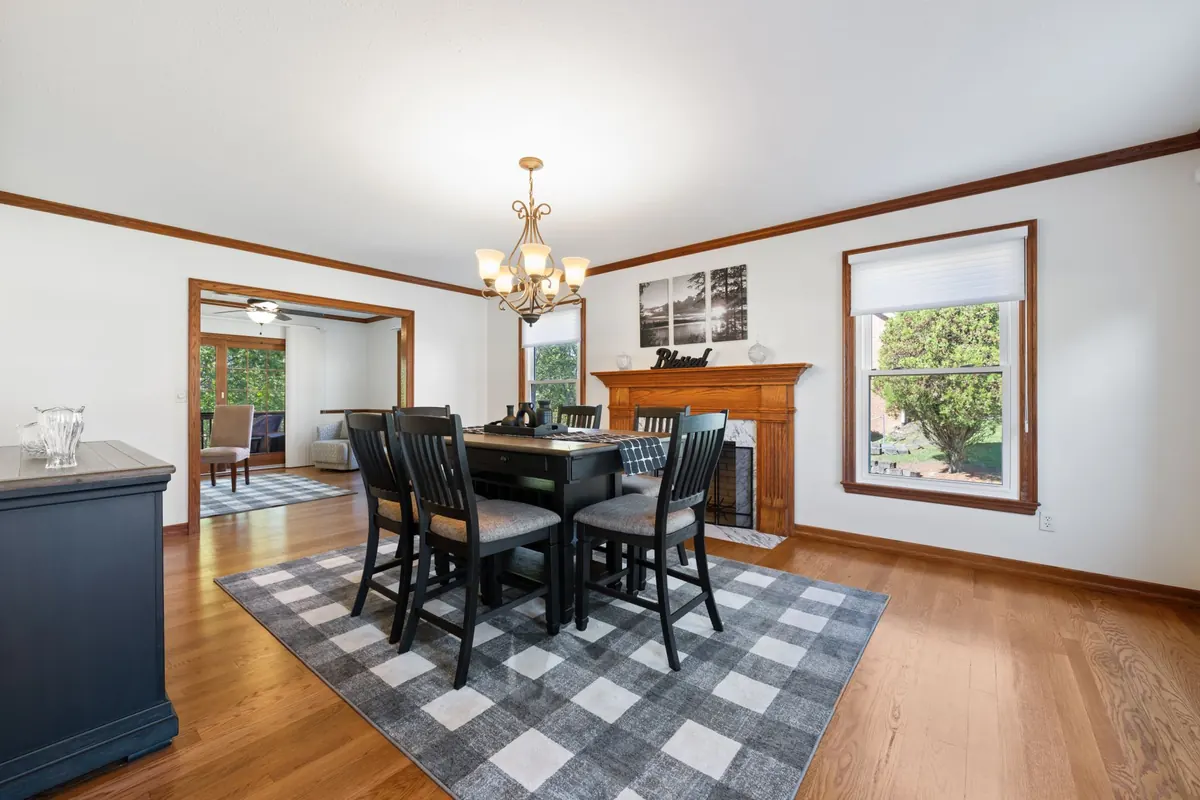
This is the one room where the rug must be sized around the chairs, not the table. Add 24 inches to each side of the table so a pulled-out chair stays on the rug. A 6-foot table needs roughly a 9x12. Six feet by nine feet fits a small round or square table for four, but anything smaller will leave back legs hanging off.
Hallway, Entry, and Kitchen
Runners should be about two-thirds the width of the hallway, leaving a frame of bare floor on each side. In a kitchen, a runner in front of the sink and prep area saves your back and your floors; keep it clear of the refrigerator door's swing.
Home Office and Small Spaces
A rolling chair needs a rug large enough that all five casters stay on the surface, or a flat-weave style thin enough to roll over. A 5x8 usually does it. In studios and awkward corners, let the rug follow the furniture rather than the walls: an angled seating group can take an angled or round rug and look intentional rather than squeezed.
A Few Last Things to Check Before You Buy
Read the fine print once you have your size chosen:
- Orientation. Rug dimensions are width by length. Orient the long side with the room's longest wall unless the layout argues otherwise.
- Material and pile height. Wool and wool blends wear well in busy rooms. Low pile suits dining rooms and hallways; plush pile is lovely in bedrooms but crushes under heavy furniture.
- Rug pad. A pad keeps the rug from sliding, adds cushion, and can extend its life by years. Size it just under the rug, not larger.
- Care and returns. Natural fibers may shed at first, and colors shift with the light in your room. Check the return window before the rug arrives.
Get the size right, and everything else about the room gets a little easier. The furniture settles, the walkways stay clear, and the rug does its quiet work of making a space feel finished. Start with a tape measure, not a mood board, and you will only have to do this once.
Photo: Hoang Editor / Pexels